


Niacro Amplifies Lived Experience at Key ‘Mothering in Justice’ Conference
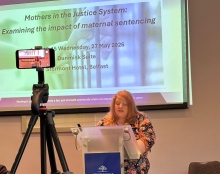
The impact of maternal imprisonment on children and families was highlighted today at the Department of Justice’s Mothering in Justice: Examining the Impact of Maternal Sentencing conference in Belfast, where Niacro played a key role in amplifying the lived experience of families impacted by the justice system.
Opening the event, Justice Minister Naomi Long MLA noted that almost half of women committed to prison in Northern Ireland have a child under 18, and for many, they are the primary caregiver - underlining the far-reaching consequences for families.
Jacqui Durkin, Chief Criminal Justice Inspector for Northern Ireland, also emphasised the lasting impact short prison sentences can have on children, affecting emotional wellbeing, stability and long-term outcomes.
A Whole-System Response is Essential
Niacro supports the recommendation for a new cross-departmental strategy to reduce offending and reoffending. We believe progress requires a coordinated, whole-system approach that recognises and responds to the realities families face.
Each year, Niacro supports over 1,000 families through our Family Links service and welcomes more than 50,000 visitors across our prison Visitor Centres at Maghaberry, Magilligan and Hydebank Wood - providing practical and emotional support when it is needed most.
Sharing Lived Experience Through Film
Niacro was honoured to support the conference by sharing the lived experiences of mothers and families affected by the justice system.
Our short film brings these experiences to life through the stories of Sarah, a mother, and Daniel, a young boy - highlighting the real human impact behind the statistics.
Watch the film here:
A Call to Action
When a mother is imprisoned, the impact is rarely hers alone. It is felt across entire families. Niacro will continue to advocate for compassionate, evidence-based approaches that support families, reduce reoffending and ensure lived experience shapes future policy.